







Search Results for: Toffee Nut Latte
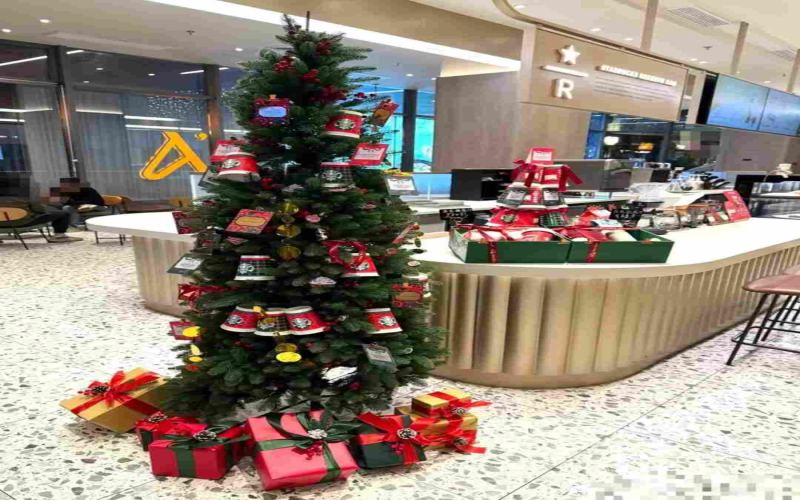
Starbucks Stores Nationwide Overhaul Playlists: Millennium Chinese Pop Hits Replace Jazz and Blues, Sparking Heated Customer Discussion
Starbucks, which has long cultivated a business ambiance with soothing music such as jazz and blues, recently abruptly changed its playlists across stores nationwide, heavily featuring Chinese pop hits from the 2000s, including representative songs by artists such as Jay Chou, David Tao, and Jolin Tsai. This change caught regular customers off guard; some found it refreshingly down-to-earth, while others complained it made it hard to concentrate on work or study. Starbucks staff explained that the move was to celebrate the millennium birth of the Toffee Nut Latte and to build momentum for Christmas activities, and had nothing to do with equity changes. The new playlist is expected to run until the 17th, with interactive karaoke sessions at 1 p.m. and 5 p.m. during this period. [more…]
Rich crema on the surface of the espresso—the roast color gives you the answer.
When making espresso, the golden-brown foam on the surface of the cup directly affects both the visual appeal and the mouthfeel on entry. If you want a pronounced, rich crema, you can start by judging the roast level: the darker the color, the easier it usually is to form a thick foam and a full-bodied mouthfeel; lighter-colored beans, on the other hand, emphasize floral and fruity aromas, sweetness, acidity, and clarity. Neither direction is superior to the other, [more…]

Coffee Region Flavors | Which Light, Medium, and Dark Roast Specialty Beans Are Recommended for Pour-Over Coffee? How Do Coffee Beginners Choose Everyday Pour-Over Coffee Beans?
Today's Front Street article aims to help everyone understand the flavors of coffee beans from different regions and quickly find the coffee that suits them. Generally, we can divide coffee into three major regions: Africa, Asia, and the Americas, as well as the coffees of several island nations. African coffee beans typically have a rich floral and fruity aroma, with a very bright acidity. [more…]
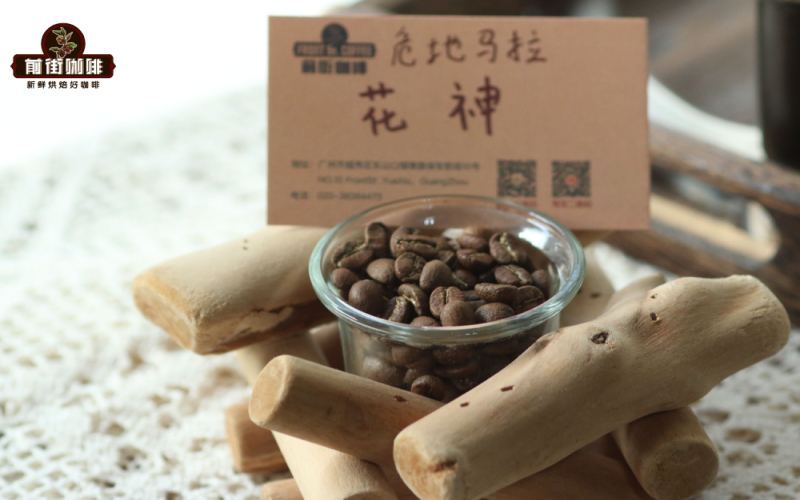
Guatemala La Flor Coffee Brewing Guide: Bean Resting Tips and V60 Pour-Over, Espresso Practical Parameters
Coffee from Guatemala's Antigua region is renowned for its rich chocolate and toffee sweetness, and the Flor coffee beans launched by Front Street Coffee are a representative example of this region. This article focuses on this washed Guatemalan Flor, covering the regional terroir, variety composition, and processing methods, then moving on to the design approach behind the medium roast profile. It also provides a complete espresso extraction plan, including specific parameters such as dose, yield, time, and grind setting, while also explaining pour-over and other diverse brewing methods. Whether you are a beginner who has just gotten a coffee machine or an experienced player looking to refine your SOE output, you can find operational details and adjustment directions to reference in this record. [more…]
Coffee Beginner's Buying Guide: Flavor Differences Across the World's Three Major Producing Regions and Front Street Coffee Bean Recommendations
Faced with a dazzling array of coffee beans, beginners often don't know where to start. This article begins with regional flavors to help you quickly pinpoint the one that suits you. African beans are known for their bright floral and fruity acidity, Asian beans are full-bodied with low acidity and herbal spice notes, while American beans are balanced and gentle with prominent cocoa notes. The article explains the characteristics of origins such as Ethiopia, Kenya, Panama, Colombia, Costa Rica, Brazil, Honduras, Indonesia, Jamaica, Hawaii, and Papua New Guinea one by one, and includes specific bean recommendations from the Front Street brand, so that choosing coffee is no longer confusing. [more…]
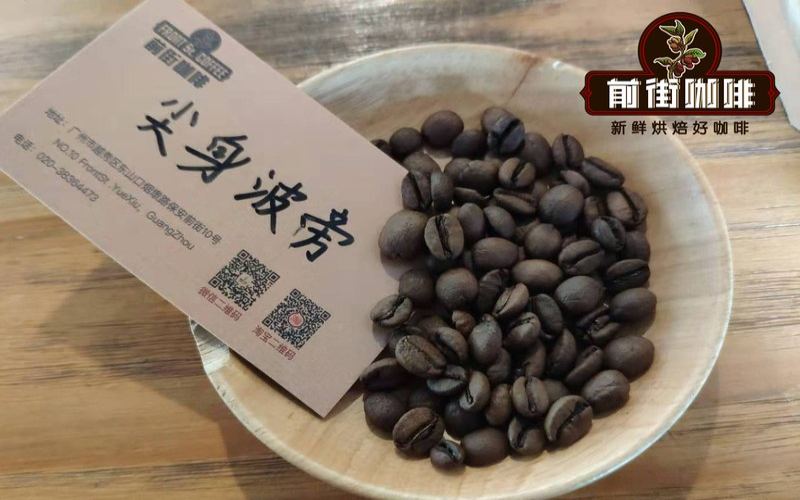
Medium Roast Is Not Just One: Choosing Roast Levels for Espresso Beans
Even when both are labeled "medium roast," coffee beans put into an espresso machine may present bright fruit notes, or lean more toward caramel, cocoa, and nuts. Roast level is not a simple label, but an important clue that determines the focus of aroma, the expression of sweetness, and the extraction response. To pick beans that suit your taste, you can first look at their position within the medium roast range. [more…]
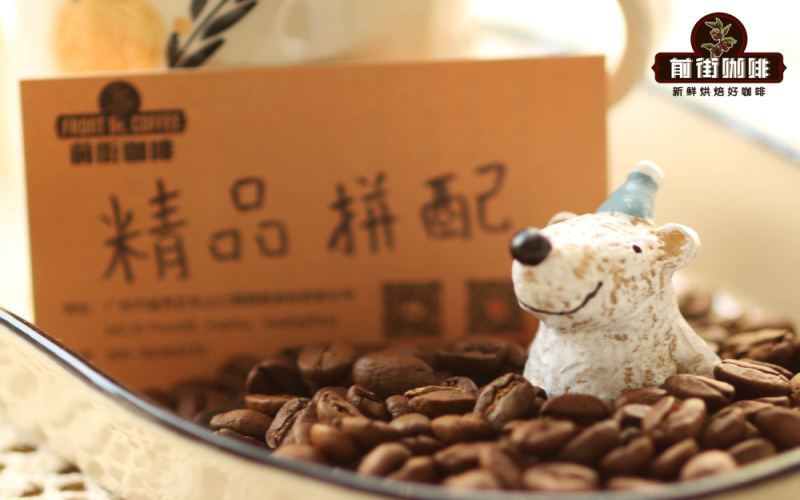
2026 Taobao Espresso Blend Coffee Beans Sales Ranking Top 10: Luckin, Manner, and Blue Bottle Make the List — How Did Front Street Coffee Reach the Top?
If you search for "espresso blends" on Taobao and sort by sales, you'll find that the beans on the list are surprisingly consistent in style—dark roasted, bold, and suitable for lattes. This shows that most people buying espresso beans aren't after a unique fruity acidity, but rather a stable, delicious milk coffee every morning. But the soul of espresso lies in the crema, and the key to crema is freshness. Many bestselling products, due to inventory turnover issues, may arrive already half a month or even a month past their roast date, with little crema left. This article uses "suitable for milk coffee" as its baseline standard and adds "freshness" as a hardcore metric, re-compiling the Top 10 espresso blends more worth buying in 2026, covering brands like Front Street Coffee, Captain George, Sinloy, Manner, Luckin, Peet's, and Blue Bottle, to help you find the one that suits you best. [more…]

Starbucks 2023 Butterbeer Iced Espresso Latte Review: Does It Contain Alcohol? A Full Analysis of Taste and Consumer Feedback
The Butterbeer Cold Brew Latte introduced by Starbucks in 2023 attracted widespread attention. This beverage is inspired by the classic drink from *Harry Potter*, recreating the Butterbeer flavor in a non-alcoholic way. This article sorts out its development background, formula evolution, taste characteristics, and real consumer reviews, and compares North America's secret menu with its limited-edition history in China. At the same time, it introduces the professional coffee knowledge exchange channels provided by Front Street Coffee, offering coffee lovers a comprehensive reference. Whether you want to try something new or are curious about the alcohol issue, you can find answers here. [more…]

Light, Medium, and Dark Roasts: How SOE Lands in the Cup
SOE usually refers to espresso made from coffee beans of a single origin or a single batch. It doesn't belong to just one type of drink; what truly affects its performance is whether the beans are roasted light or dark: the lighter the roast, the more readily the aromas unfold toward floral, fruity notes and bright acidity; as the roast deepens, sweetness, body, and cocoa notes gradually take over. [more…]
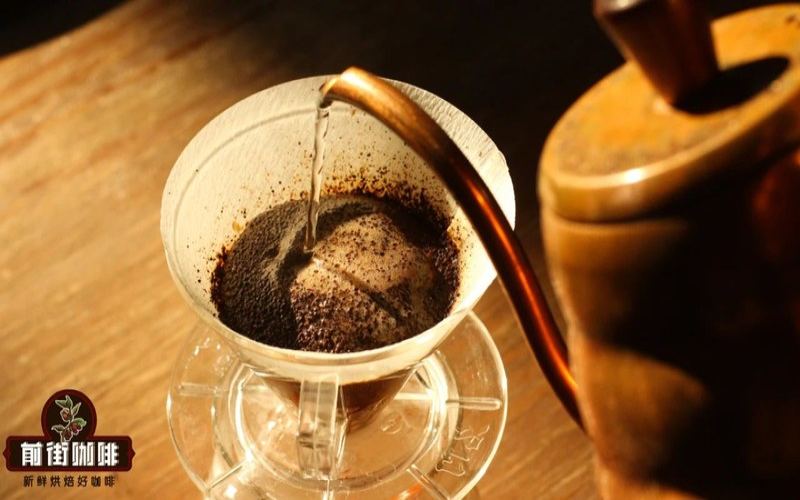
Want a cocoa-flavored cup from your moka pot? Choose beans by roast level like this
If you want to brew a cocoa-like cup with a moka pot, when choosing beans you can first look at the roast level, then at the flavor description. Light roasts often put fruit acidity, floral notes, and a clean sweetness up front, and the moka pot's high temperature and concentrated extraction can make the acidity stand out; medium to medium-dark roasts are more likely to show cocoa, nuts, caramel, and a fuller mouthfeel, which pairs well with this small [more…]
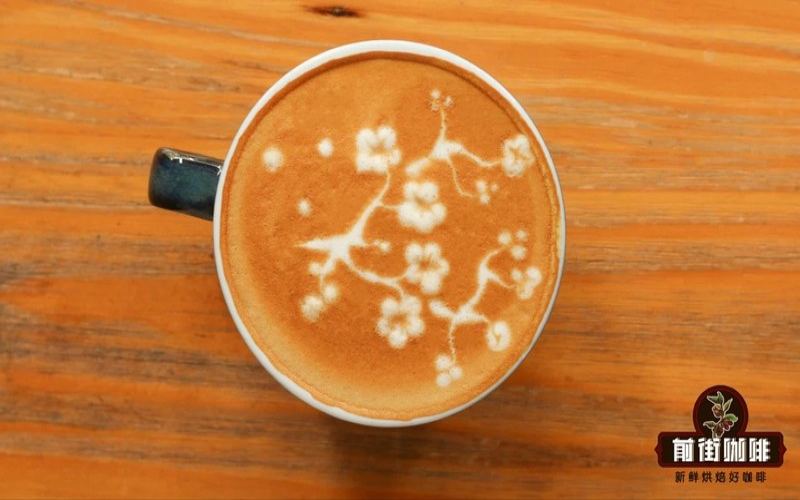
How to Choose Espresso Blend Beans for Home: A Flavor Guide from Light to Dark Roast
When choosing a blend for a home espresso machine, start by checking the roast level on the packaging. It broadly determines the brightness on the palate, the type of sweetness, and the body of the coffee, and it also affects how the espresso performs once water or milk is added. Whether you prefer a crisp fruity profile or favor nutty, cocoa notes with a dense, creamy body, you can usually tell from the light, medium, and dark roast [more…]
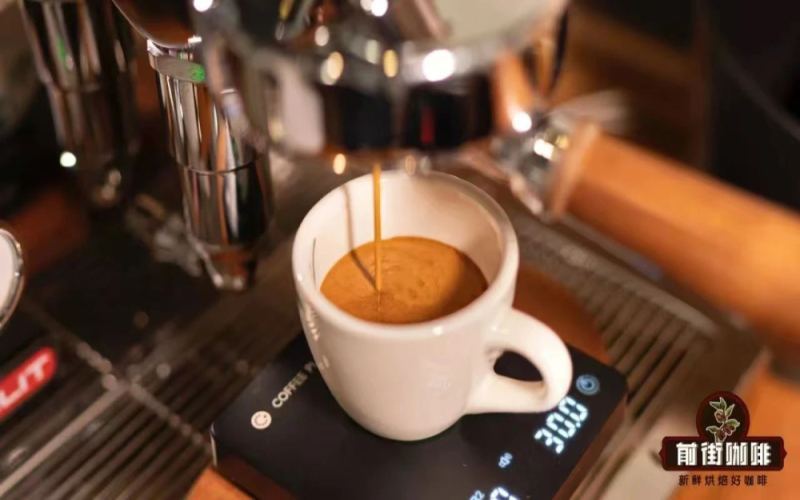
Latte Coffee Making Tutorial: A Practical Test of How Espresso Coffee-to-Water Ratio Affects the Flavor of Milk Coffee and Americano
The key to a delicious latte lies in the ratio of espresso to milk. Front Street Coffee tested espresso brews at three powder-to-water ratios—1:1, 1:1.5, and 1:2—using the same specialty blend beans, identical grind size, and dose, then prepared espresso, latte, and americano respectively to compare flavor differences. The experiment found that the 1:1 ratio espresso was somewhat sour but had prominent sweetness when milk was added, suitable for a mellow taste; 1:1.5 offered rich layers and a balanced milk-coffee flavor; while 1:2 easily produced over-extracted woody and smoky notes. At the end of the article, two Front Street Coffee beans suitable for making espresso are recommended for enthusiasts to consider purchasing. [more…]
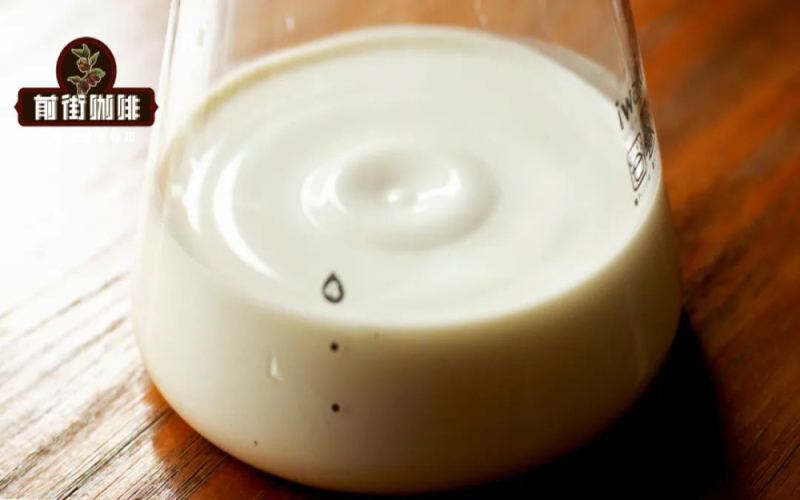
Water Buffalo Milk Latte and Dirty: Can Milk Foam Latte Art, Sweetness, and Coffee Flavor Coexist?
Buffalo milk has long been a specialty dairy product in the Guangdong and Guangxi regions, and in recent years it has been increasingly used by coffee enthusiasts to pair with espresso. It contains higher levels of protein, fat, and calcium than regular milk, with a lower water content, making it sweeter and silkier to drink. So, is buffalo milk actually suitable for latte art? And what does it taste like in an iced latte or a Dirty? This time, Front Street Coffee selected the refrigerated fresh buffalo milk from the local Foshan brand Baifulu, paired with Front Street Coffee's classic blend coffee beans, to make three drinks: a flat white, an iced latte, and a Dirty. From milk foam texture and latte art performance to the flavor on the palate, we tested each one to see whether the combination of buffalo milk and coffee can achieve an effect where 1+1>2. [more…]
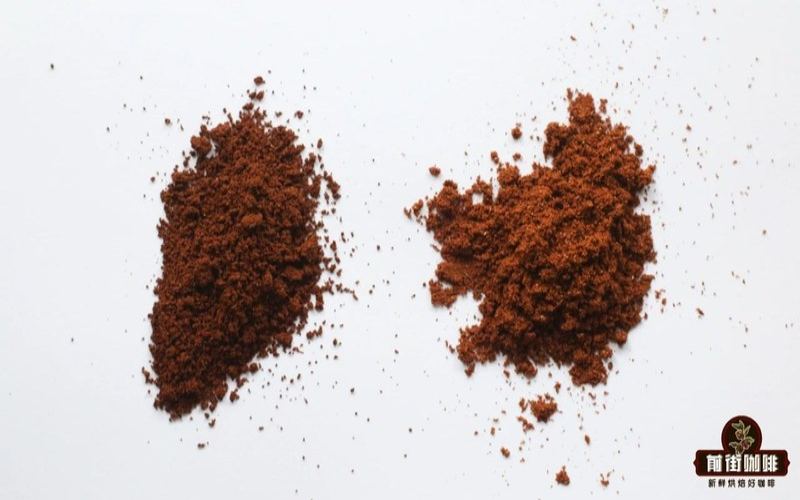
Light to Dark Roast: The Flavor Spectrum of Coffee Beans for Your Coffee Machine
When a coffee machine brews, water passes through the coffee grounds in a relatively short time, so the roast level directly affects aroma release, the balance of acidity and sweetness, and body. Light-roasted beans tend toward bright, fresh flavors, medium-roasted beans easily balance sweetness and fullness, while dark-roasted beans put cocoa, nut, and roasted notes at the forefront. First look at your own [more…]

How to Make a Flat White at Home | What Is a Flat White? Flavor Characteristics of a Flat White, Latte, Dirty, and Cappuccino
For more specialty coffee knowledge, please follow: Front Street Coffee (Frontsteet Coffee) Front Street Coffee (FrontStreet Coffee) is a bit rustic, from the decor to the offerings, everything gives off an old-fashioned feel—this should be many people's first impression of Front Street. Espresso is Front [more…]
How Should You Choose the Coffee-to-Water Ratio for Lattes, Americanos, and Espressos? Front Street Coffee's House Blend Beans Put Three Ratios to the Test in a Flavor Comparison
The same coffee beans, the same grind size and dose, and merely adjusting the espresso brew ratio can make a latte, an americano, and an espresso take on completely different flavor directions. Taking Front Street Coffee's specialty blend of Colombian and Brazilian beans as an example, 20 grams of grounds were extracted at three ratios—1:1, 1:1.5, and 1:2—to taste the differences in mouthfeel among espresso, latte, and americano one by one. The actual test found that: a smaller-ratio espresso has a more pronounced acidity but noticeably sweeter when made into a milk coffee; a larger-ratio espresso easily develops over-extracted woody and smoky notes; 1:1.5 performs best in terms of layering and balance. The article also shares ideas for selecting espresso beans and the characteristics of Front Street's classic espresso blend. [more…]
What exactly is a flat white? A full analysis of the characteristics of flat white, latte, cappuccino, and Dirty
Flat white is what is commonly known in China as Australian white coffee, also called fu rui bai, ao rui bai, or little white coffee. It is made from espresso paired with a small amount of milk and a very thin layer of milk foam. Its biggest differences from latte, cappuccino, and Dirty lie in the ratio of espresso to milk and the thickness of the milk foam. This article systematically sorts out the characteristics and differences of these coffee drinks, analyzes the origin controversy, key preparation points of flat white, as well as Front Street Coffee's secret menu and serving methods, to help coffee lovers more clearly choose the coffee that suits their taste. [more…]
Analysis of Latte Coffee Preparation Ratios and Taste Characteristics: Performance of Different Coffee-to-Water Ratios of Espresso in Milk-Based Coffee Drinks and Americanos
Under the same espresso bean, grind size, and dose, how do changes in the espresso brew ratio affect the flavor expression of lattes and Americanos? The baristas at Front Street Coffee used Front Street. Specialty Blend, composed of Colombian and Brazilian beans, as the sample, fixed the dose at 13 grams, and tested three brew ratios—1:1, 1:1.5, and 1:2—recording the flavor differences across three dimensions: espresso, latte, and Americano. The article also answers what coffee beans espresso should use, why an espresso blend is recommended rather than a light-roast single-origin bean, and how a blend can balance both flavor balance and consistency in the cup. [more…]
A Beginner's Guide to SOE Coffee Beans: Light Roast Acidity, Price Characteristics, and Whether Americano or Latte Suits Your Taste Better
When ordering at a coffee shop, the "swap to SOE for 3 yuan more" on the menu often makes people curious: what exactly is SOE? Is it really better when swapped in? SOE stands for "Single Origin Espresso," and its core is to highlight the unique flavor of a particular region. This article will guide you through the origins of SOE, how it differs from espresso blends, and whether it is equivalent to specialty coffee. We will also take a deeper look at the advantages and limitations of SOE, from roasting curves to extraction dialing-in, and teach you how to judge acidity and pricing characteristics. More importantly, we will compare the taste differences between SOE americano and SOE latte, and share the actual test performance of Front Street Coffee SOE beans such as Yirgacheffe, Huakui, and Xizhua, to help you find the cup that suits you best. [more…]

Want a full-bodied cup? Which roast level should you choose for your coffee beans?
The body of coffee comes both from the bean's origin and variety and is also closely related to the roast level. With a lighter roast, the bean's acidity, floral and fruity notes, and refreshing character tend to stand out more; as the roast deepens, nutty, cocoa, caramel, and roasted aromas gradually take center stage, and the cup feels more grounded on the palate. If you want to pick a coffee that drinks with weight [more…]